
Project 02 — 2025
— CASE STUDY
A full Shopify storefront built from scratch for a new brand
Shopify Storefront & Catalog — MNL Wraps — eCommerce
— THE CHALLENGE
MNL Wraps was starting from zero — a new business entering the vehicle wrap and paint protection film market with no storefront, no catalog structure, and a large, technical product range that needed to make sense to someone who'd never bought a wrap before.
As a startup, they didn't have the benefit of existing traffic or brand recognition to lean on. The store itself had to do the work of making a new business look established from the first visit.
— WHAT I DID
I built the entire storefront from scratch — catalog structure, product pages, specs and warranty pages, and the visual design — with the full product range organized into a browsing system a first-time buyer could actually follow.
Every category, from finish type to film type, was built around how customers actually shop for wraps, not how the inventory happened to be organized internally.
A customer who's never bought a wrap doesn't know PPF from PET, or matte from satin. The catalog's job was to teach them just enough to choose confidently, without needing to ask.
— THE APPROACH
Structuring a large catalog around how customers actually shop
With a big product range and no existing site to work from, the first job was deciding how someone unfamiliar with wraps would want to browse — then building the entire catalog around that.
Research
Looked at how established wrap and PPF brands structure their catalogs, and shopped the site myself as a first-time customer would.
Strategy
Chose to organize the full catalog three ways — by collection, by finish, and by type — matching how the market already shops.
Catalog Structure
Mapped every product into collections, finishes, and film types before touching design.
Copywriting
Wrote product and category copy that explains technical differences (PPF vs. PET vs. Hybrid) in plain terms.
Wireframes & Design
Designed a storefront that reads as premium and established, not like a new store finding its footing.
Build
Built the full store on Shopify — homepage, collections, product pages, specs sheet, and warranty pages.
QA & Launch
Tested the full catalog and checkout flow across the large product range before going live.
Research
Reviewed drop-off points with the front-desk team.
Strategy
Reframed the flow around symptoms, not internal terms.
Architecture
Mapped a path with one decision visible at a time.
Wireframes
Tested the new flow before visual design.
Design
Applied the visual system throughout the experience.
Development
Built the experience inside the client's platform.
Automation
Connected reminders and follow-ups to reduce no-shows.
Launch
Delivered documentation and post-launch support.
We needed a store that felt established from day one, not like a brand-new business still finding its feet. Jewel organized everything — the catalog, the finishes, the product pages — in a way that made sense immediately. It felt ready to sell from the moment it launched.
MNL WRAPS
— THE RESULT
A new brand with a storefront that didn't look new
— WHY THIS MATTERED
A new business only gets one first impression
Startups don't have existing trust to fall back on — the site itself has to build it. For a technical product like vehicle wraps, that meant a customer's first visit had to answer "which one do I need?" clearly enough to buy without hesitating or needing to contact support first.
Getting the catalog structure and product explanations right from launch meant the business could start taking orders immediately, instead of spending its early months fixing a confusing store.
Structure is the first impression.
NOTES FROM THE STUDIO
— GALLERY
A closer look
The full catalog is organized by collection, finish, and film type, so customers can shop however they already think about the product — a structure modeled after established wrap brands.
Dedicated specification sheet and warranty card pages give technical buyers the detail they look for, without cluttering the main shopping experience.
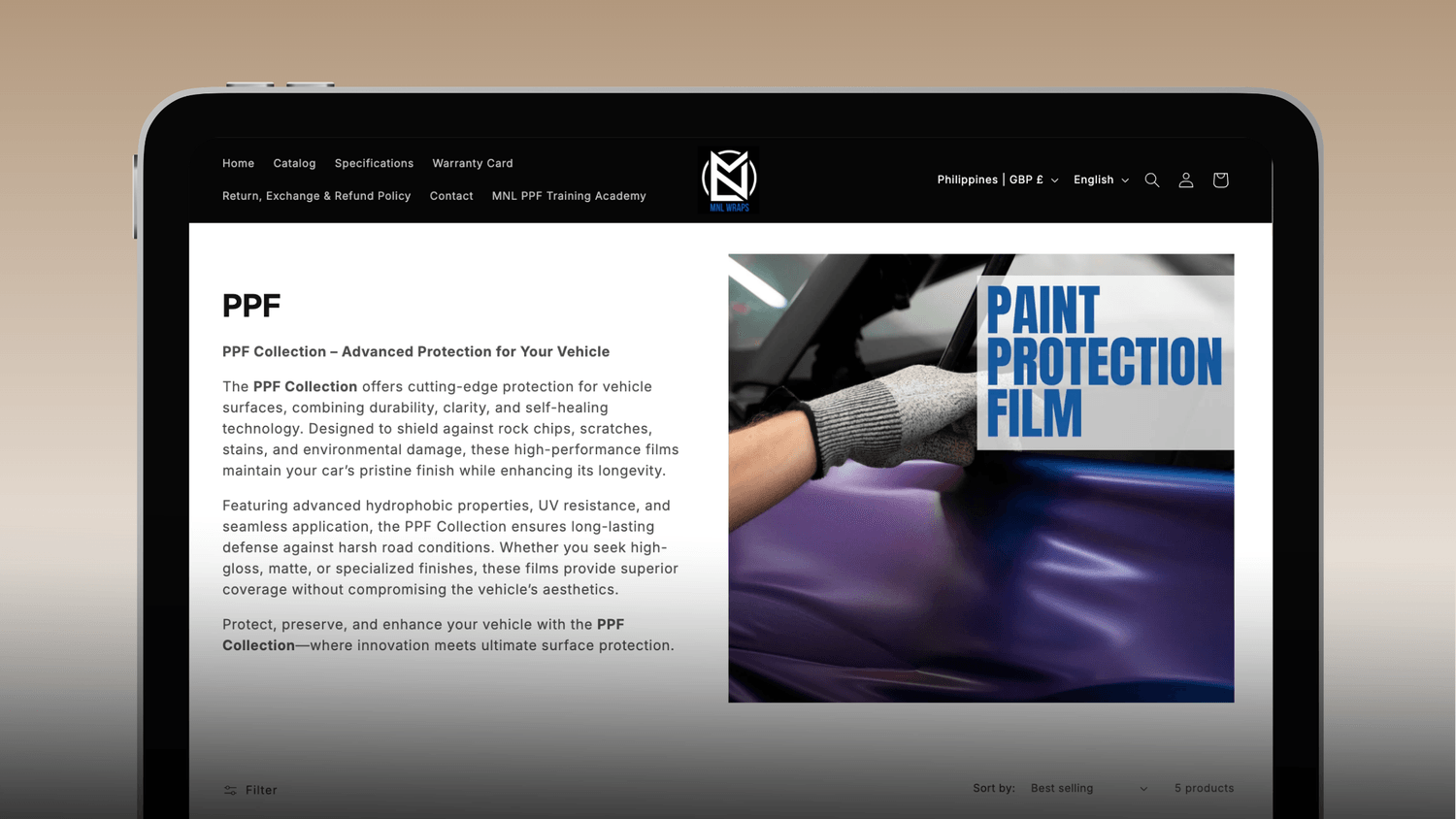
Each product type — PPF, PET, Hybrid PPF — is explained in a sentence or two of plain language, so a first-time buyer can self-select with confidence.
— REFLECTION
What I'd carry into the next project
WHAT I LEARNED
For a large, technical catalog, the browsing structure matters more than any single page — get that wrong and no amount of good product copy fixes it.
WHY THESE DECISIONS
Modeling the browse structure after established wrap brands was deliberate — customers already have a mental model for this category, so the store didn't need to teach a new one.
IF I IMPROVED IT FURTHER
I'd have pushed to continue past launch into ongoing marketing and optimization, since a strong storefront is only the first half of a new brand's growth.
— MORE CASE STUDIES
Other projects worth a look.
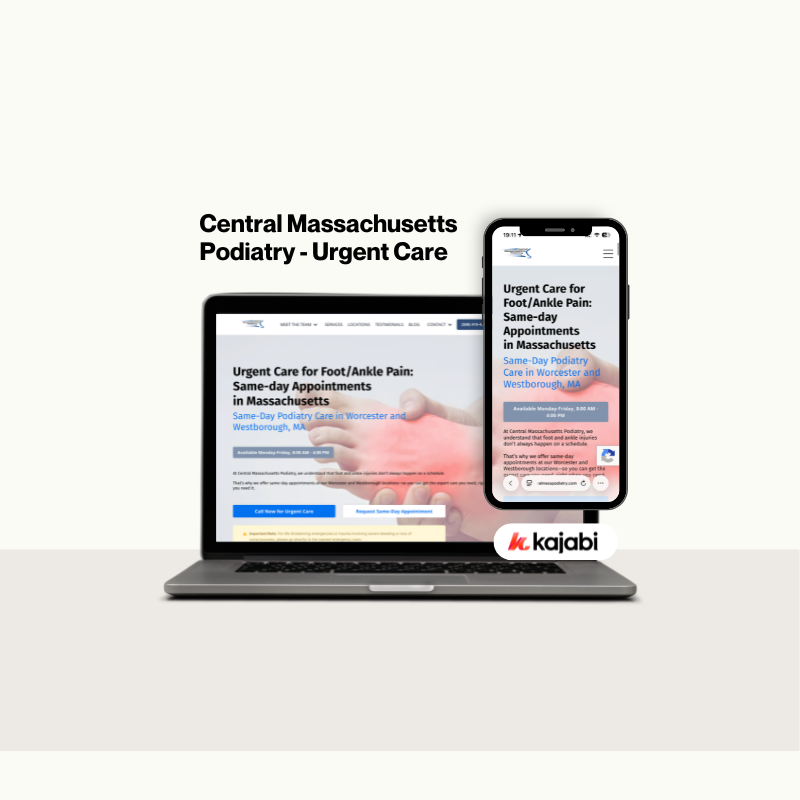
Designing an urgent foot care landing page that helps patients book appointments with confidence.
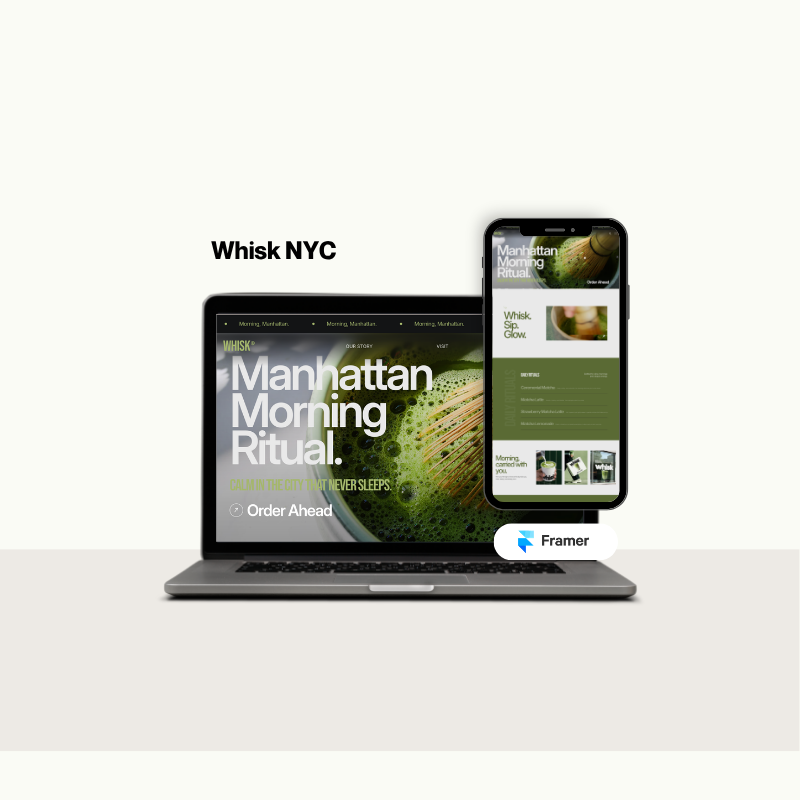
Crafting an editorial café website that elevates the Whisk Matcha brand experience.
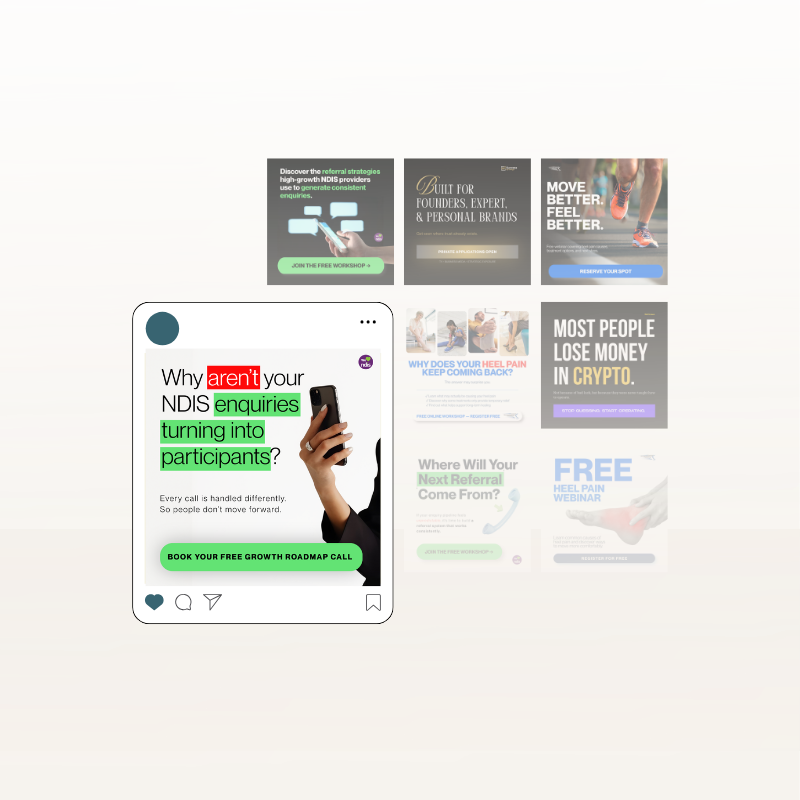
Creating cohesive social media creatives that strengthen brand identity and engagement.
HAVE A SIMILAR PROJECT?
Let's talk about it.