— CREATIVE WORK
Presentations, Pitch Decks, Curriculum & Proposal Documents
14 engagements across 10 clients, 7+ industries
— THE COLLECTION
A closer look, by format
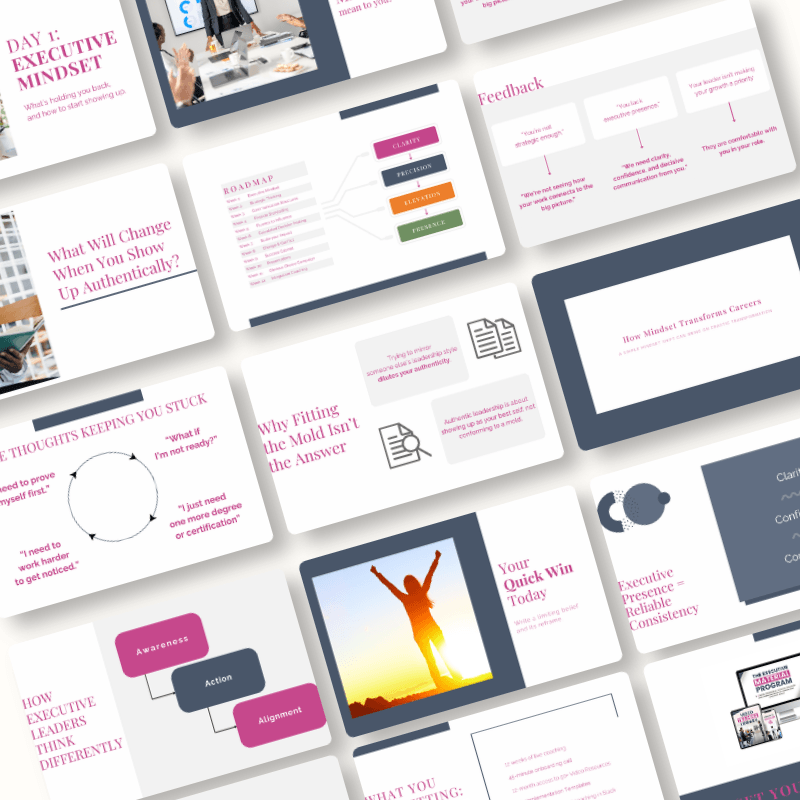
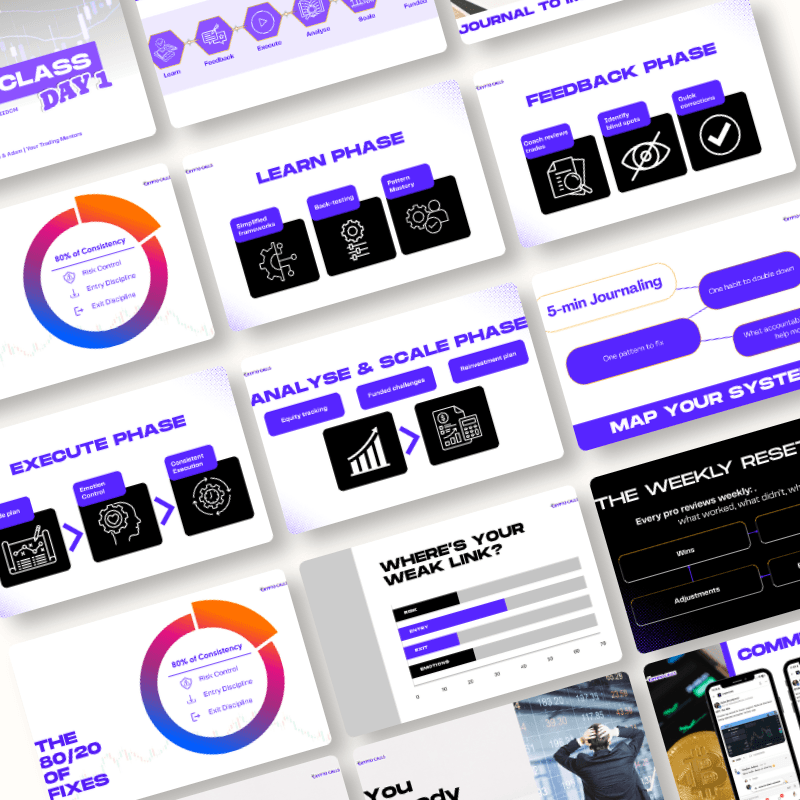
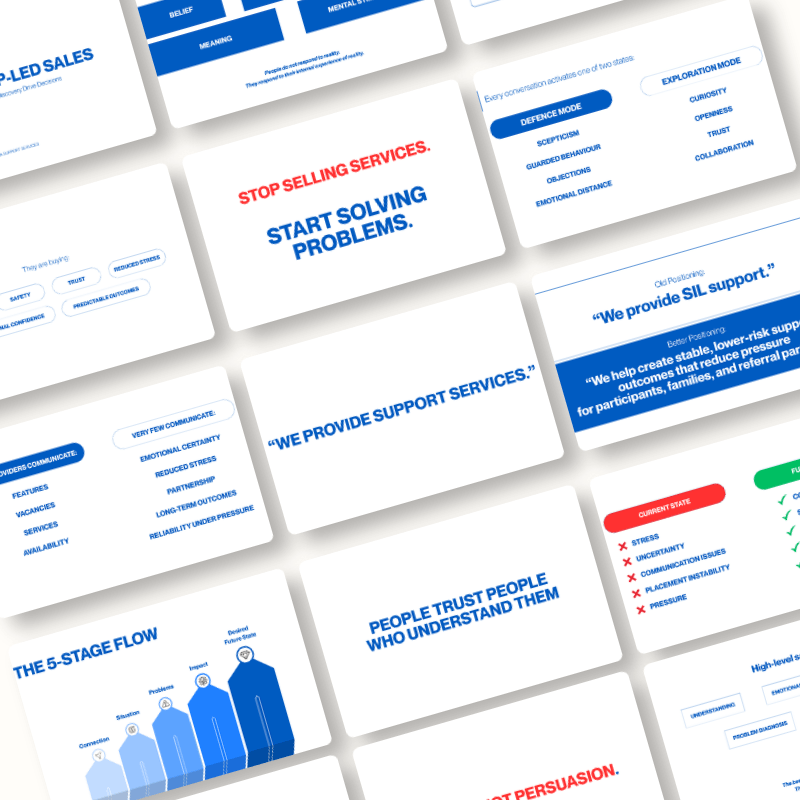
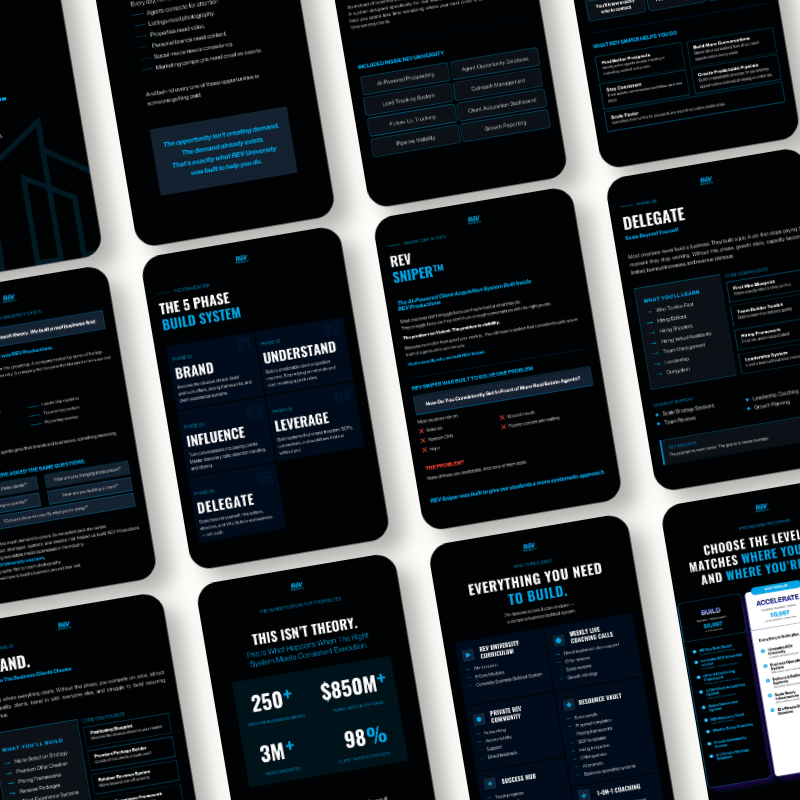
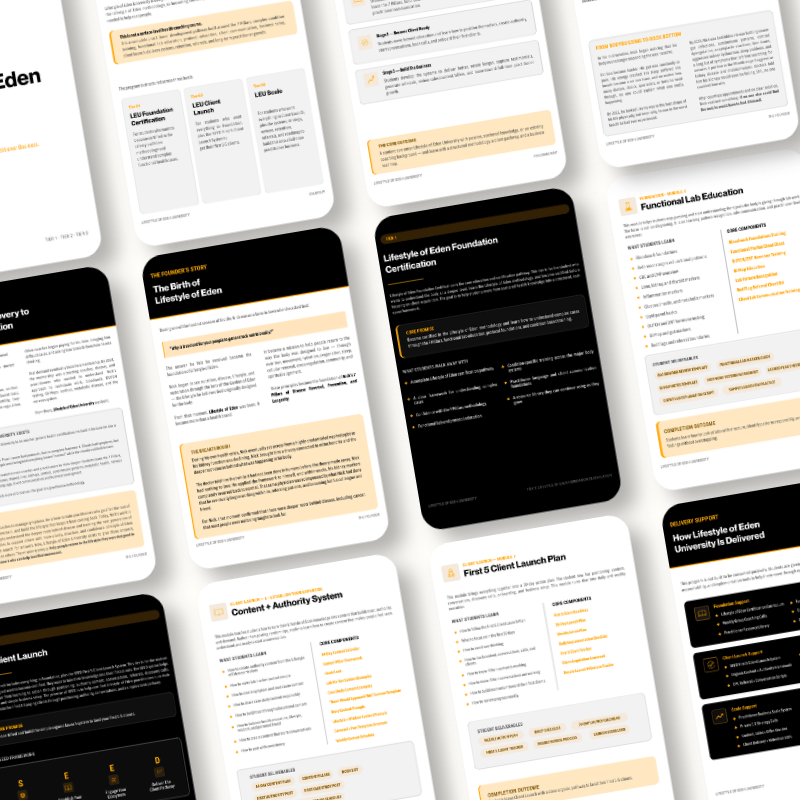
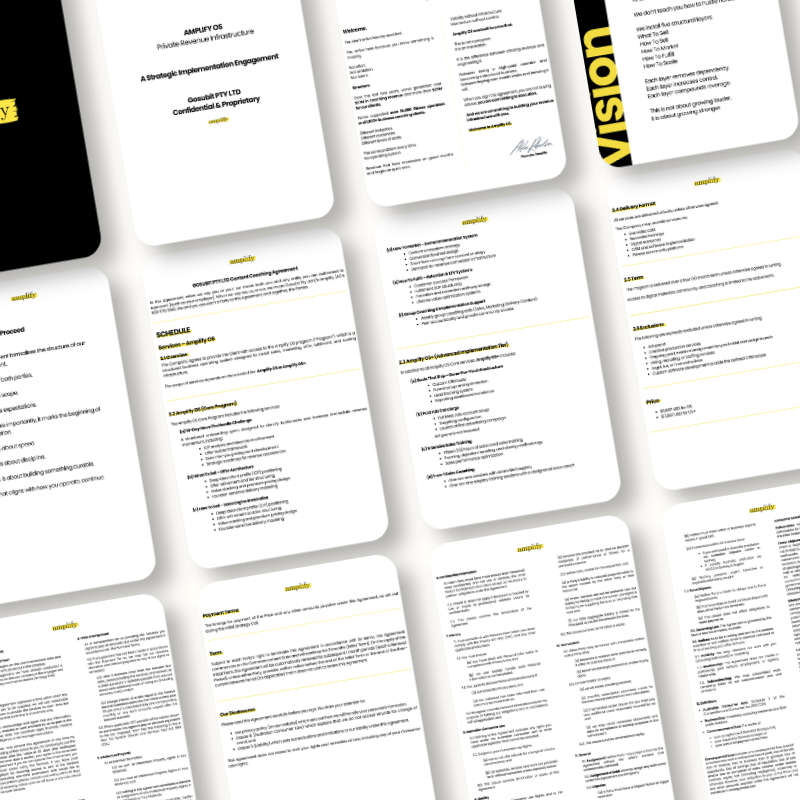
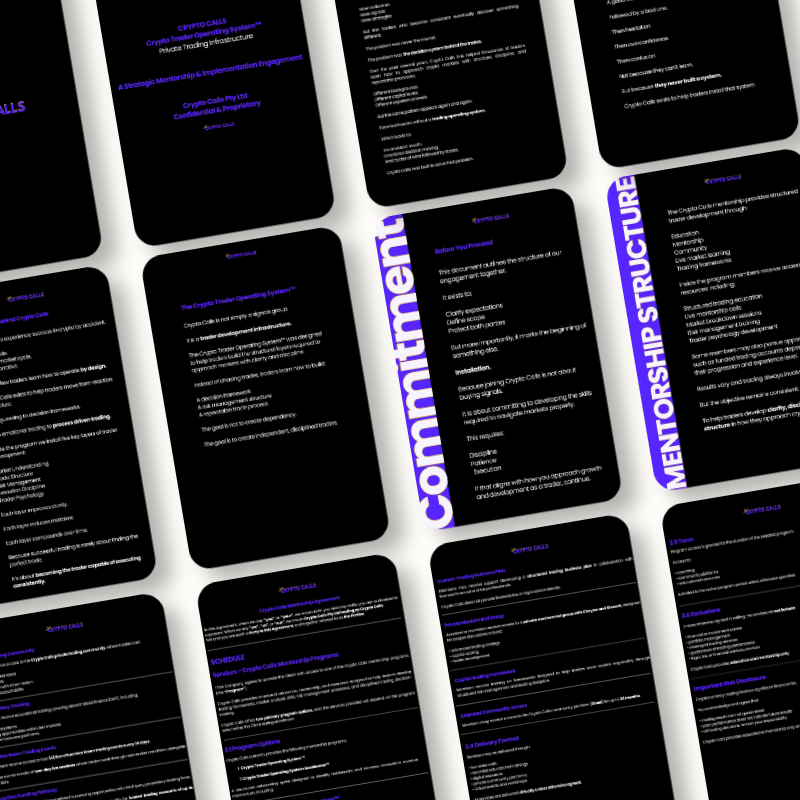
Four related but distinct deliverables — grouped here because they share the same underlying skill: structuring information so it presents or reads clearly, not because they're interchangeable.
— PRESENTATIONS
Research
Reviewed drop-off points with the front-desk team.
Strategy
Reframed the flow around symptoms, not internal terms.
Architecture
Mapped a path with one decision visible at a time.
Wireframes
Tested the new flow before visual design.
Design
Applied the visual system throughout the experience.
Development
Built the experience inside the client's platform.
Automation
Connected reminders and follow-ups to reduce no-shows.
Launch
Delivered documentation and post-launch support.
Research
Reviewed drop-off points with the front-desk team.
Strategy
Reframed the flow around symptoms, not internal terms.
Architecture
Mapped a path with one decision visible at a time.
Wireframes
Tested the new flow before visual design.
Design
Applied the visual system throughout the experience.
Development
Built the experience inside the client's platform.
Automation
Connected reminders and follow-ups to reduce no-shows.
Launch
Delivered documentation and post-launch support.
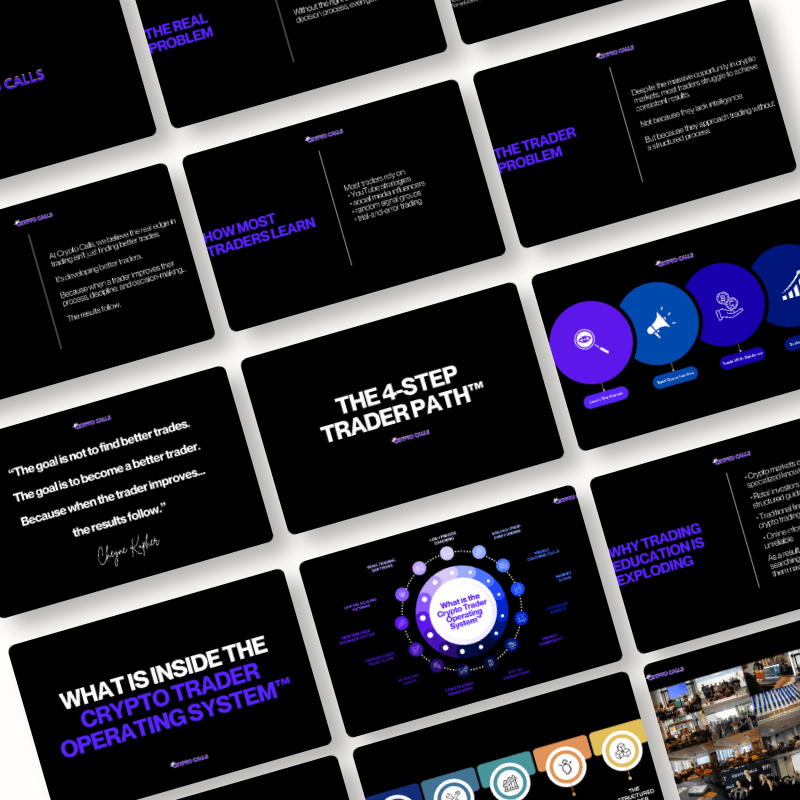
— PITCH DECKS
Research
Reviewed drop-off points with the front-desk team.
Strategy
Reframed the flow around symptoms, not internal terms.
Architecture
Mapped a path with one decision visible at a time.
Wireframes
Tested the new flow before visual design.
Design
Applied the visual system throughout the experience.
Development
Built the experience inside the client's platform.
Automation
Connected reminders and follow-ups to reduce no-shows.
Launch
Delivered documentation and post-launch support.
Research
Reviewed drop-off points with the front-desk team.
Strategy
Reframed the flow around symptoms, not internal terms.
Architecture
Mapped a path with one decision visible at a time.
Wireframes
Tested the new flow before visual design.
Design
Applied the visual system throughout the experience.
Development
Built the experience inside the client's platform.
Automation
Connected reminders and follow-ups to reduce no-shows.
Launch
Delivered documentation and post-launch support.
— CURRICULUM
Research
Reviewed drop-off points with the front-desk team.
Strategy
Reframed the flow around symptoms, not internal terms.
Architecture
Mapped a path with one decision visible at a time.
Wireframes
Tested the new flow before visual design.
Design
Applied the visual system throughout the experience.
Development
Built the experience inside the client's platform.
Automation
Connected reminders and follow-ups to reduce no-shows.
Launch
Delivered documentation and post-launch support.
Research
Reviewed drop-off points with the front-desk team.
Strategy
Reframed the flow around symptoms, not internal terms.
Architecture
Mapped a path with one decision visible at a time.
Wireframes
Tested the new flow before visual design.
Design
Applied the visual system throughout the experience.
Development
Built the experience inside the client's platform.
Automation
Connected reminders and follow-ups to reduce no-shows.
Launch
Delivered documentation and post-launch support.
— PROPOSAL DOCUMENTS
Research
Reviewed drop-off points with the front-desk team.
Strategy
Reframed the flow around symptoms, not internal terms.
Architecture
Mapped a path with one decision visible at a time.
Wireframes
Tested the new flow before visual design.
Design
Applied the visual system throughout the experience.
Development
Built the experience inside the client's platform.
Automation
Connected reminders and follow-ups to reduce no-shows.
Launch
Delivered documentation and post-launch support.
Research
Reviewed drop-off points with the front-desk team.
Strategy
Reframed the flow around symptoms, not internal terms.
Architecture
Mapped a path with one decision visible at a time.
Wireframes
Tested the new flow before visual design.
Design
Applied the visual system throughout the experience.
Development
Built the experience inside the client's platform.
Automation
Connected reminders and follow-ups to reduce no-shows.
Launch
Delivered documentation and post-launch support.
— WHAT I DELIVER
One skill, four formats
Each format asks for a different structure, but the same underlying work: understanding the content well enough to simplify it, then building a layout that carries it clearly.
Research
Reviewed drop-off points with the front-desk team.
Strategy
Reframed the flow around symptoms, not internal terms.
Architecture
Mapped a path with one decision visible at a time.
Wireframes
Tested the new flow before visual design.
Design
Applied the visual system throughout the experience.
Development
Built the experience inside the client's platform.
Automation
Connected reminders and follow-ups to reduce no-shows.
Launch
Delivered documentation and post-launch support.
— HOW I APPROACH THIS
Minimalist by decision, content-led by structure
Across all four formats, the same principles apply: keep decks minimalist and on-brand, and let curriculum and longer documents take their structure from the content itself.
Research
Understand the audience, industry, and what the material needs to accomplish before designing anything.
Content Strategy
For curriculum and multi-session programs, structure content around the material itself rather than a fixed template.
Deck & Doc Strategy
For decks and proposals, commit to a clear, minimalist direction that follows each client's existing brand guidelines.
Information Hierarchy
Decide which ideas need the most visual weight, and simplify everything else around them.
Design
Build consistent layouts and visual storytelling across every slide or page.
Review
Refine until the material can be presented or read without needing to be over-explained.
Delivery
Hand off a polished, ready-to-use deck or document.
Research
Reviewed drop-off points with the front-desk team.
Strategy
Reframed the flow around symptoms, not internal terms.
Architecture
Mapped a path with one decision visible at a time.
Wireframes
Tested the new flow before visual design.
Design
Applied the visual system throughout the experience.
Development
Built the experience inside the client's platform.
Automation
Connected reminders and follow-ups to reduce no-shows.
Launch
Delivered documentation and post-launch support.
— WHY IT MATTERS
These are often the moment a decision actually gets made
A pitch deck, proposal, or training module usually isn't a supporting asset — it's the moment a prospect decides to buy, a client decides to sign, or a learner decides the material is worth their time. A cluttered or inconsistent version puts that pressure back on the presenter to compensate verbally, every single time it's used.
— MORE CREATIVE WORK
Other categories worth a look.


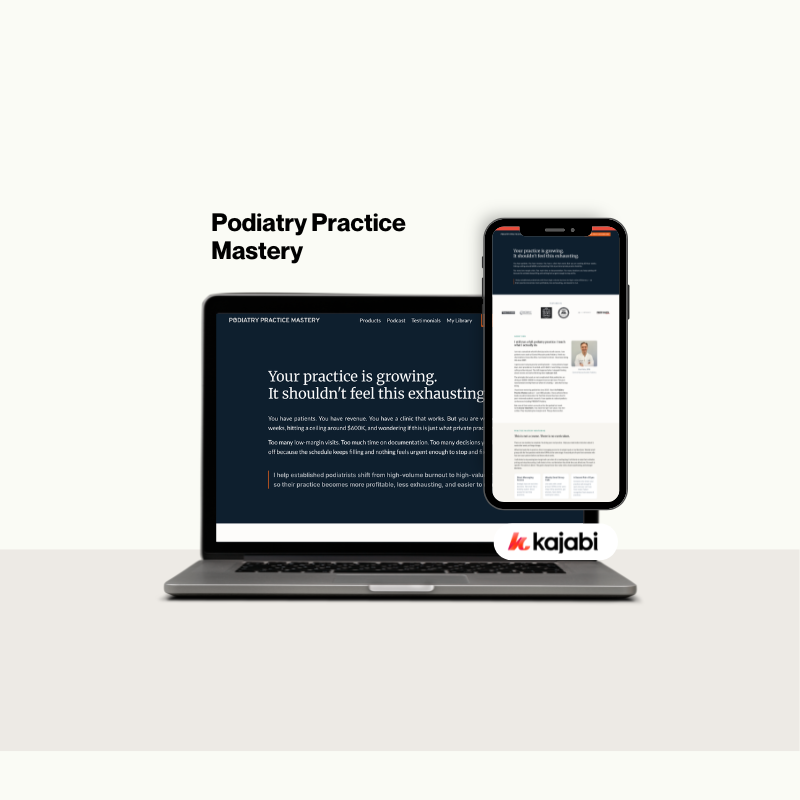
A membership website built to help podiatrists grow profitable and sustainable practices.
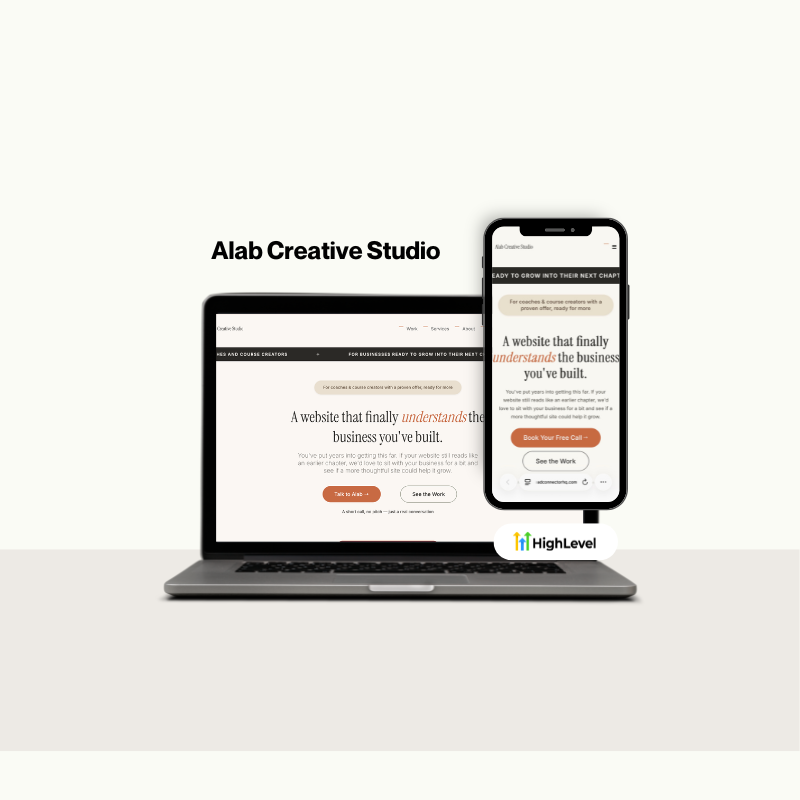
A modern creative agency website built to showcase services and establish a strong brand presence.

High-converting lead magnets designed to educate, nurture, and turn visitors into qualified leads.
NEED SOMETHING LIKE THIS?